
Rebar Spacers
Complete range of 100% recycled PVC rebar spacers for ensuring proper concrete cover in reinforced concrete structures. Linear and point (Omega) spacers in sizes from 15 to 50 mm.
What Are Rebar Spacers?
Rebar spacers are specialized elements that ensure precise concrete cover over the reinforcement. They maintain the reinforcement bars and meshes at a specific distance from the formwork, guaranteeing the required thickness of the protective concrete layer.
Proper concrete cover is critical for the durability of any reinforced concrete structure. It protects the steel from corrosion, ensures adequate bond between the steel and concrete, and guarantees the fire resistance of the structure. Without quality spacers, even the finest reinforcement can lose its properties in years rather than decades.
Plast Commerce manufactures two main types of spacers — linear and Omega point spacers, both made from 100% recycled PVC, covering all sizes from 15 to 50 mm. Because PVC does not corrode, the spacers add no rust risk at the concrete surface, and the recycled raw material keeps the price low while supporting the circular economy.
Types of Rebar Spacers
We offer two types of spacers, each optimized for different construction applications.
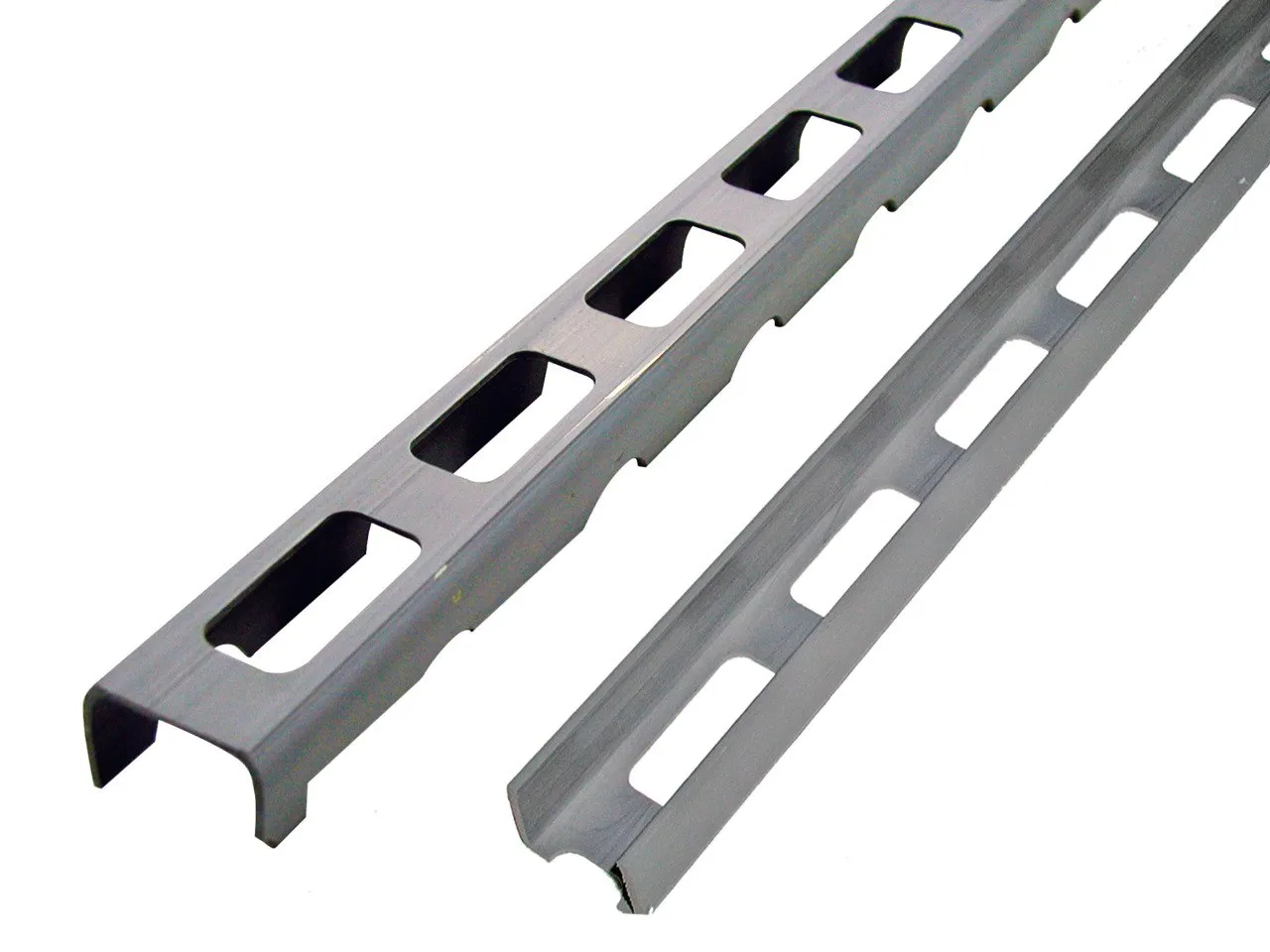
Linear Spacers
100% recycled PVC profiles2-meter long profiles made from 100% recycled PVC, ensuring precise concrete cover for reinforcement in horizontal slabs. PVC does not corrode, and the recycled material keeps the cost low while supporting the circular economy.
- Large openings for concrete flow
- Does not corrode
- Standard 2m length
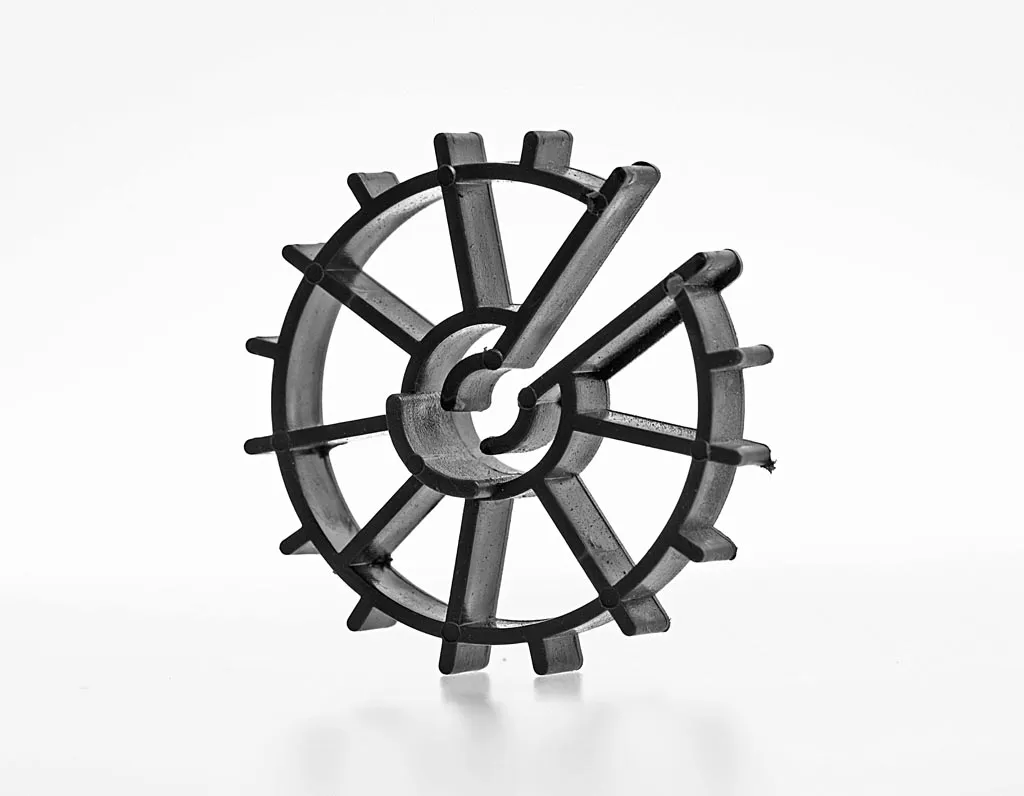
Omega Point Spacers
100% recycled PVC clip-on spacersOmega-type spacers made from 100% recycled PVC that clip directly onto reinforcement bars. Quick and easy installation without additional tools. UV stabilized for durability.
- Easy clip-on installation
- UV stabilized
- Minimal marks on concrete surface
How to Choose the Right Spacer
The choice of spacer depends on the type of construction element and the required concrete cover.
Horizontal Elements
Slabs, foundations, floors, road pavements
Support rebar along its entire length
Concrete Cover by Spacer Size
Select the spacer size based on your project requirements and exposure class.
| Size | Typical Application | Exposure Class | Linear | Omega |
|---|---|---|---|---|
| 15 mm | Interior dry rooms | XC1 | ||
| 20 mm | Interior humid rooms | XC1/XC2 | ||
| 25 mm | Exterior walls, balconies | XC3 | ||
| 30 mm | Facades, exposed structures | XC3/XC4 | ||
| 35 mm | Foundations in soil | XC4/XD1 | ||
| 40 mm | Chloride exposure, parking | XD2/XD3 | ||
| 50 mm | Marine environment, aggressive | XS1/XS2 |
Exposure classes per EN 1992-1-1 (Eurocode 2). Consult your structural engineer for exact requirements.
Technical Specifications — Comparison
Side-by-side comparison of linear and Omega point rebar spacers.
| Property | Linear Spacers | Omega Point Spacers |
|---|---|---|
| Material | 100% recycled PVC | 100% recycled PVC |
| Sizes | 15 - 50 mm | 15 - 50 mm |
| Installation | Placed under reinforcement | Clips onto rebar |
| Primary use | Horizontal slabs | Vertical elements |
| Shape | Linear profile, 2 m | Omega-shaped clip |
| Packaging | 60 - 100 lin.m. | 100 - 1,000 pcs |
| Corrosion protection | Inherent (PVC does not corrode) | Inherent (PVC does not corrode) |
| Load capacity | High | Medium to high |
| UV resistance | Yes (stabilized) | Yes (stabilized) |
Rebar Spacer Applications
Rebar spacers are used in all types of reinforced concrete construction.
Foundation Slabs
Foundation slabs require proper concrete cover on the bottom side (soil contact). Linear spacers with 35-50mm size are recommended for adequate protection against ground moisture.
Walls & Columns
For vertical elements like walls and columns, Omega point spacers are the ideal choice. They clip on easily and hold the reinforcement in place during concrete pouring.
Floor & Roof Slabs
Linear spacers provide uniform support along the entire length of the reinforcement mesh in horizontal slabs. Sizes 15-25mm for interior slabs.
Beams & Lintels
Beams typically require a combination of both spacer types - Omega for side bars and linear spacers for the bottom reinforcement layer.
Road Pavements & Industrial Floors
Heavy-duty road pavements and industrial floors need linear spacers with high load-bearing capacity. Sizes 30-50mm for long-term durability under traffic loads.
Bridge Structures
Bridge construction requires increased concrete cover due to aggressive environmental exposure. Spacers of 40-50mm with enhanced corrosion resistance are essential.
Why Is Concrete Cover So Important?
Concrete cover is the distance between the surface of the concrete element and the nearest reinforcement bar. This cover performs three critical functions:
- Corrosion protection — shields the steel from moisture, chlorides, and aggressive substances.
- Bond strength — provides sufficient concrete around the rebar for full force transfer.
- Fire resistance — the concrete layer protects the reinforcement from high temperatures during fire.
Frequently Asked Questions About Rebar Spacers
What is a rebar spacer?
What is the difference between linear and point spacers?
How to determine the correct spacer size?
How many spacers per square meter are needed?
What standards apply for concrete cover?
Related Products
Need Rebar Spacers?
Contact us for pricing, availability and delivery. All sizes in stock.